We are an independent advisory partnership
for building projects.
We advise organisations that are forced into a real estate decision: relocating, expanding, consolidating or building new.
Learn more about who we are and how we work →
The return comes from the people.
We focus on what a building returns over its life. That means defining the conditions for people to live and work well.
We define what a building has to achieve for people before the location is chosen.
neueconpartners
Our expertise is evidence.
We specialise in applying environmental psychology and neuroscience to architecture.
We work from the archive of The Built Review, with more than 15,000 published studies on buildings and health. We select the findings relevant to each type of building and the people who use it.
What we advise on
Most building projects begin with a change in the organisation. That is where we start from.
The founding partners
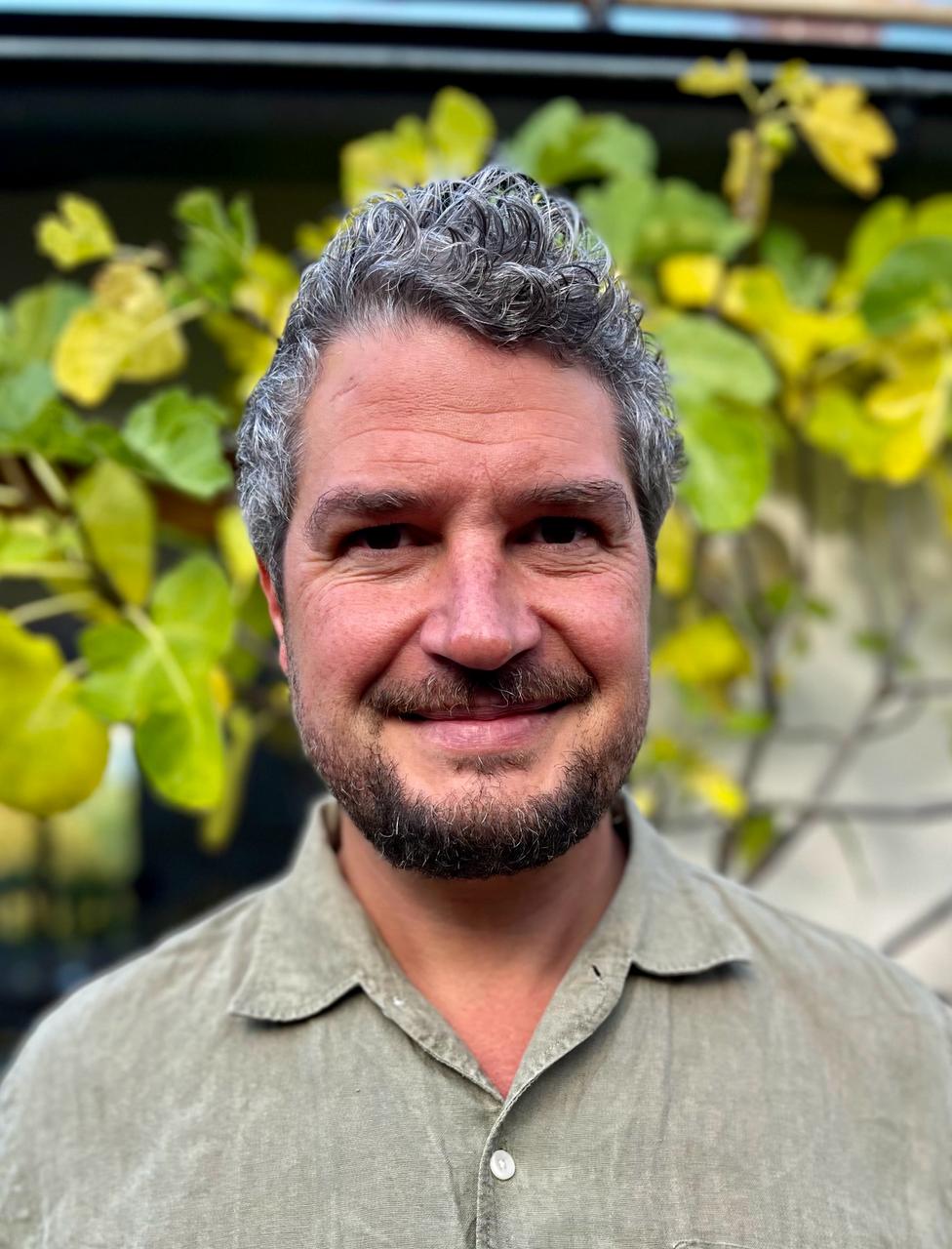
Markus Hölzl, Daiana Zamler and Christian Huser founded neuecon partners in 2026. Their backgrounds are in architecture, environmental psychology and strategy.
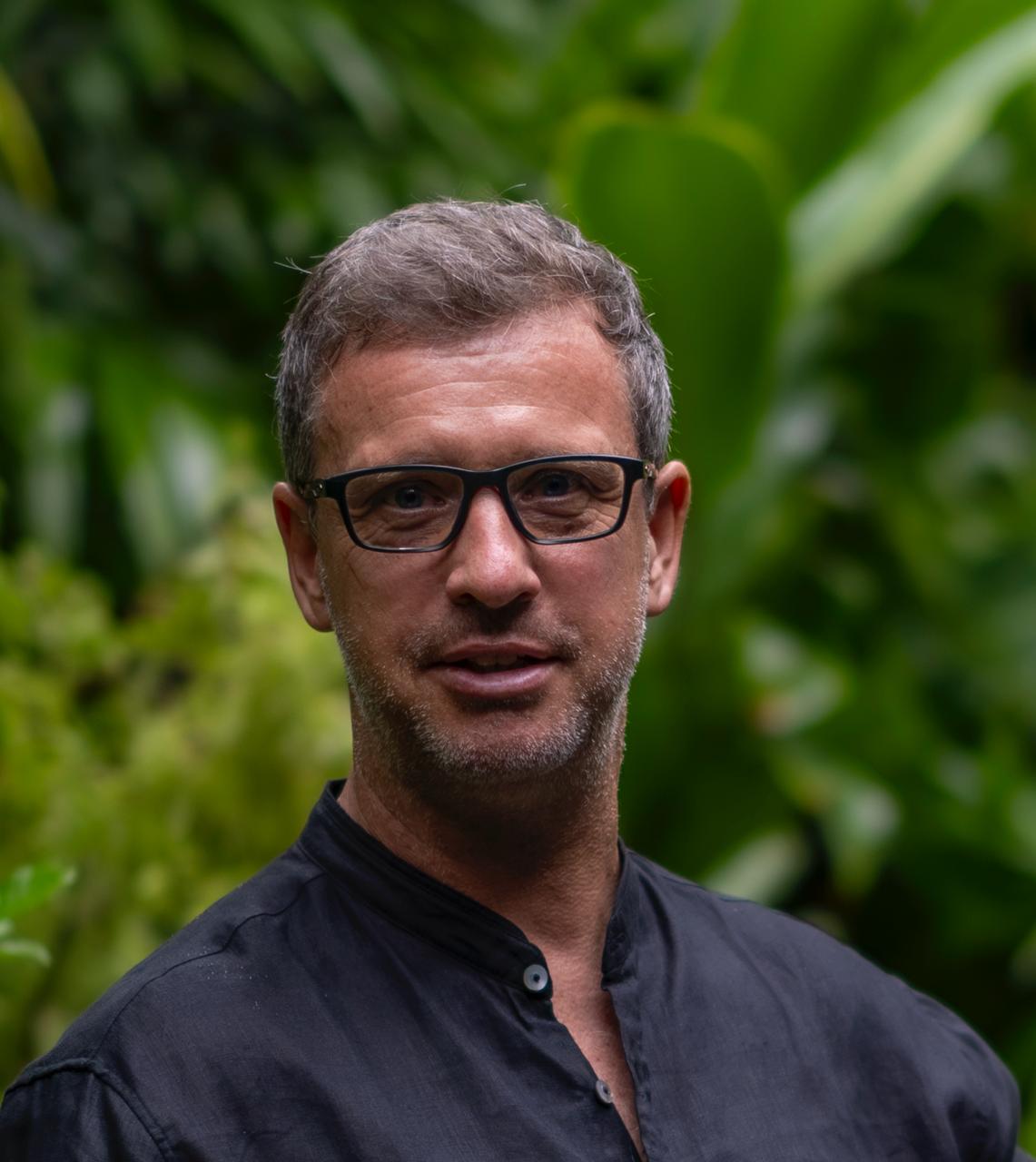
We believe the market will increasingly reward buildings designed for the health and productivity of their occupants.
Meet the partners →neuecon partners in figures
- Studies in the evidence base
- 15,000+
- Founded
- 2026
- Disciplines: architecture, psychology, strategy
- 3
- Offices: Tegernsee, Germany and Madrid, Spain
- 2
- Languages: German, English, Spanish
- 3
- Stages we lead
- 2of 8
Starting a project
Our work on a new project begins with the three-week Decision Brief. From there, we develop the Strategic Project Blueprint and the Decision Rulebook. You can also commission the Brief Review, the Evidence Review or the Building Assessment on its own.
Contact us →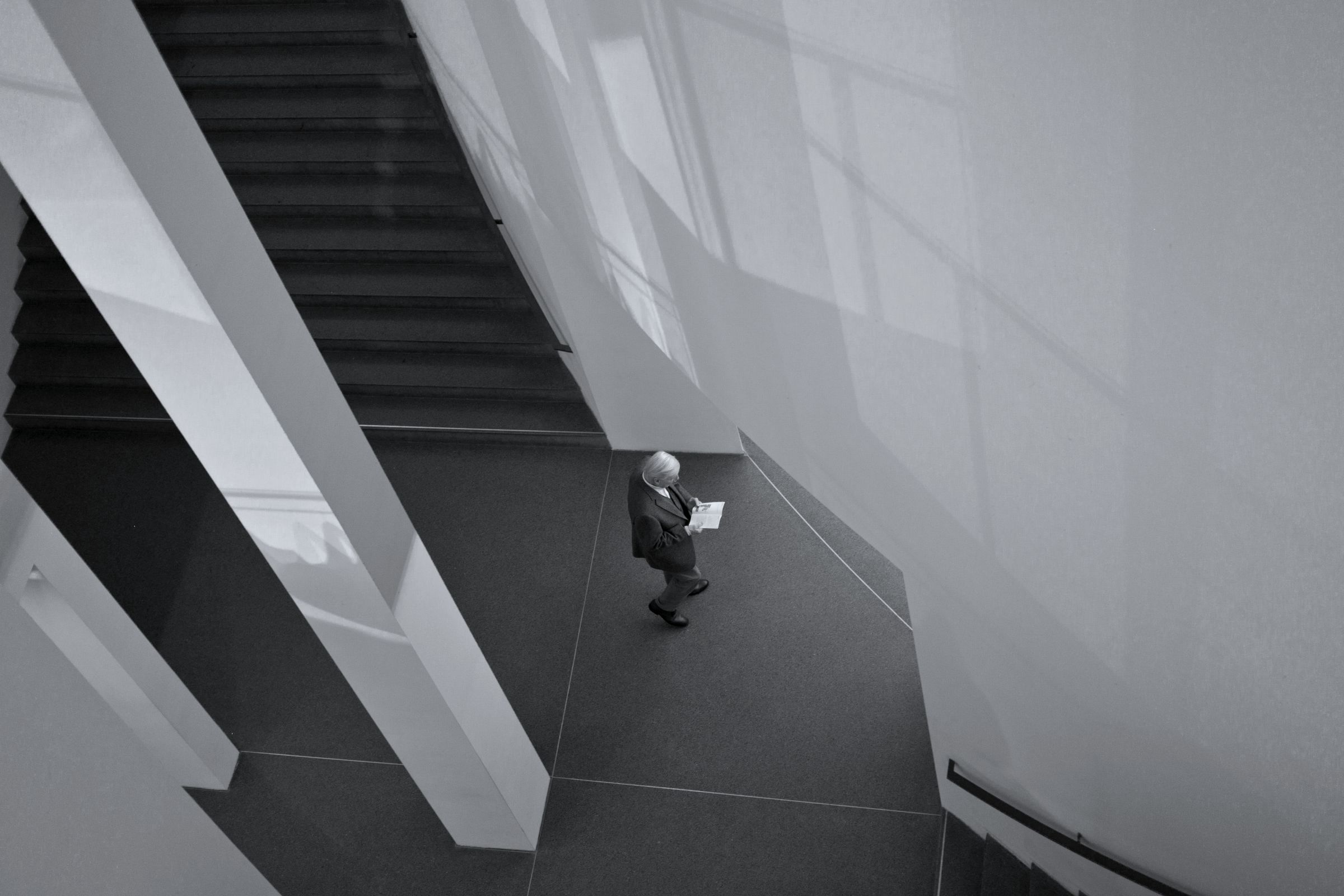
 ConcreteHuman
Loneliness in the
built environment.
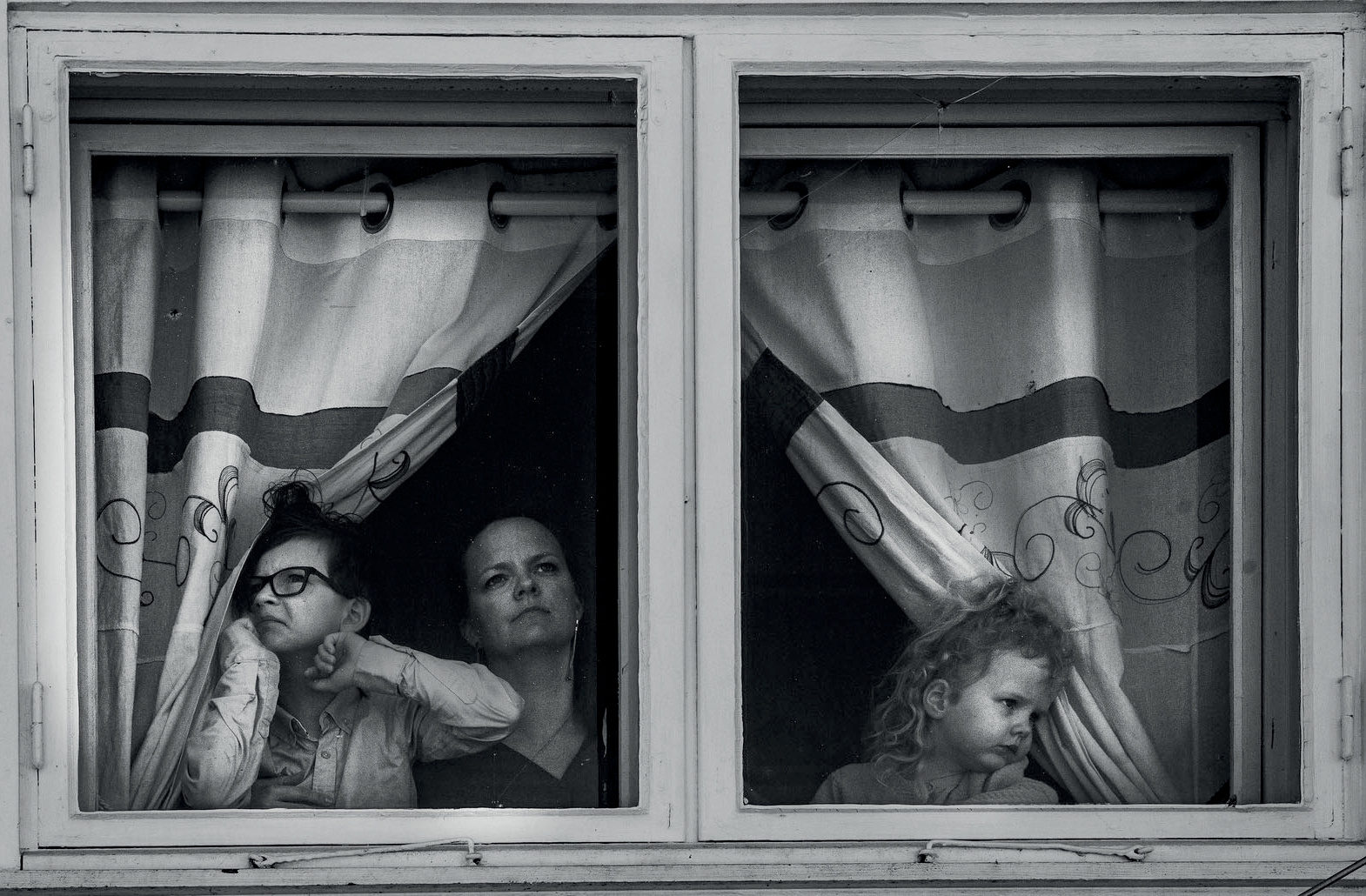
With The Built Review, we started Concrete Human, a photography exhibition on how the built environment affects human health. Its first series, by the Norwegian photographer André Clemetsen, has 39 photographs and 25 poems.
Concrete Human →